


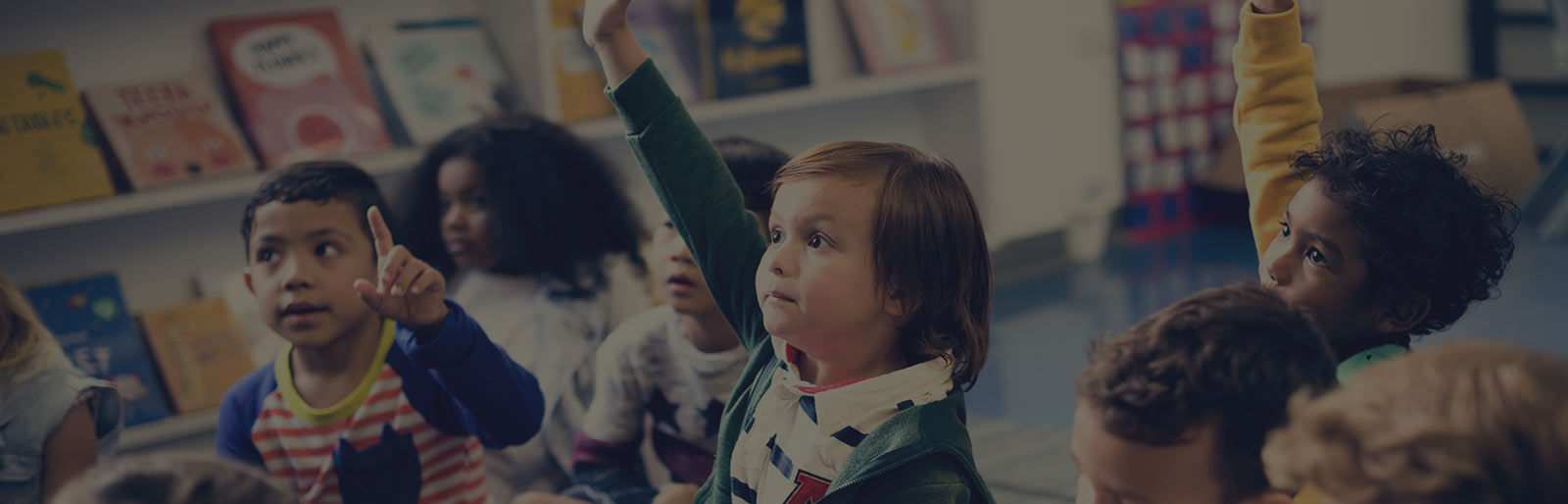
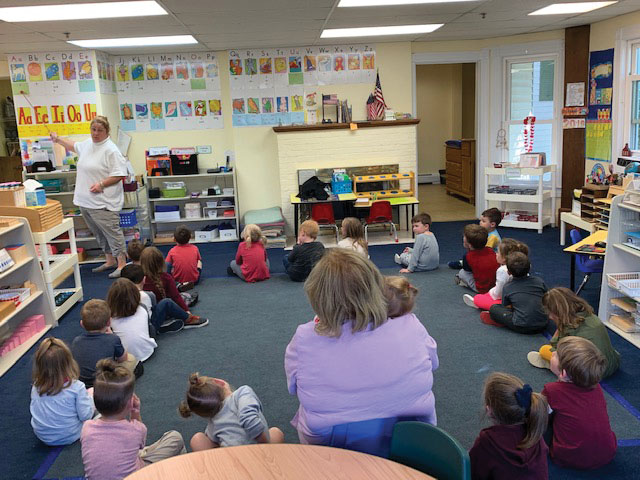
Starting kindergarten is an exciting milestone for children and parents alike. It can also bring plenty of questions. What should my child know before kindergarten? Do they need to read already? Are they socially and emotionally prepared for a larger classroom?
Kindergarten readiness is about much more than memorizing letters and numbers. Children benefit from developing a combination of academic, social, emotional, physical, and practical skills that help them participate confidently in a classroom environment.
At Alpine Montessori, our approach to early childhood education focuses on developing the whole child. Through our hands-on Montessori curriculum, children have opportunities to strengthen independence, concentration, communication, problem-solving, and foundational academic skills as they prepare for kindergarten and future learning.
What Is Kindergarten Readiness?
Kindergarten readiness refers to the skills and behaviors that help a child successfully transition into kindergarten.
Academic preparation is one part of that picture, but readiness also includes a child’s ability to communicate, follow routines, interact with others, care for personal needs, and approach new experiences with growing independence.
A child preparing for kindergarten may be developing skills across several areas:
- Social and emotional development
- Language and communication
- Early literacy
- Early mathematics
- Fine and gross motor development
- Independence and self-care
- Listening and concentration
- Problem-solving
Children develop at different rates, so kindergarten readiness should not be treated as a rigid checklist that every child must complete at exactly the same time.
Social and Emotional Skills for Kindergarten
A child’s ability to participate in a classroom community is an important part of school readiness.
Before kindergarten, children benefit from opportunities to practice:
- Taking turns
- Sharing classroom materials
- Listening while others speak
- Expressing their needs
- Asking adults for help
- Working alongside other children
- Following classroom expectations
- Managing frustration with guidance
- Separating from caregivers with growing confidence
Preschool provides a valuable environment for practicing these skills every day. Children learn that they are part of a community while gradually becoming more comfortable navigating friendships, disagreements, group activities, and classroom responsibilities.
The Montessori Method places particular emphasis on independence, respect, responsibility, and learning how to function successfully within a classroom community.
Language and Early Literacy Skills
Children do not need to arrive at kindergarten as fluent readers.
Instead, early literacy development builds the foundation that children will continue strengthening throughout kindergarten and elementary school.
Helpful kindergarten readiness skills can include:
- Recognizing some letters
- Understanding that letters represent sounds
- Listening to stories
- Talking about characters or events in a story
- Recognizing their own name
- Attempting to write or form letters
- Developing vocabulary through conversation
- Communicating thoughts and questions
At Alpine Montessori, language activities include phonics, sandpaper letters, movable alphabet activities, word-building exercises, and opportunities to develop the fine motor control required for writing.
These experiences are part of Alpine’s broader Montessori curriculum and allow children to build language skills through hands-on practice.
Early Math Skills for Kindergarten
Kindergarten readiness in mathematics is also about understanding concepts rather than simply memorizing numbers.
Children can benefit from experience with:
- Counting objects
- Recognizing numbers
- Comparing quantities
- Identifying patterns
- Sorting and classifying
- Understanding basic shapes
- Recognizing differences in size and quantity
- Using simple problem-solving skills
Montessori mathematics uses concrete materials children can manipulate before progressing toward more abstract concepts. Children can see, touch, count, compare, combine, and separate quantities, helping mathematical ideas become more meaningful.
Independence Is an Important Kindergarten Skill
One of the most valuable ways to prepare a child for kindergarten is to encourage age-appropriate independence.
In a kindergarten classroom, children increasingly need to manage simple responsibilities without constant one-on-one assistance.
Useful skills include:
- Putting away belongings
- Washing hands independently
- Cleaning up after an activity
- Choosing and completing a task
- Opening common lunch or snack containers
- Putting on a coat
- Following simple multi-step directions
- Asking for help when necessary
These abilities can help children enter school feeling capable and confident.
Practical Life is a central part of the Montessori classroom. Activities involving pouring, carrying, sorting, cleaning, personal care, and caring for the classroom help children practice coordination while developing responsibility and independence.
Families can learn more about how the prepared Montessori classroom encourages children to take an active role in their learning environment.
Focus, Listening, and Following Directions
Kindergarten introduces children to longer periods of classroom participation, making concentration and listening important readiness skills.
A kindergarten-ready child does not need to sit still for extended periods. Young children naturally need movement and variety.
Instead, look for growing abilities such as:
- Listening to a short story
- Following simple directions
- Staying engaged with an activity
- Completing a task before moving on
- Returning materials when finished
- Transitioning between activities
- Participating in group experiences
Montessori classrooms provide extended opportunities for children to choose purposeful work, concentrate on activities, and complete tasks at an appropriate pace.
Fine and Gross Motor Development
Physical development also contributes to kindergarten readiness.
Fine motor skills support activities such as writing, drawing, cutting, manipulating classroom materials, and managing clothing.
Children can strengthen these skills through:
- Drawing and coloring
- Using child-safe scissors
- Building with blocks
- Puzzles
- Pouring and transferring activities
- Working with small manipulatives
- Dressing and fastening clothing
Gross motor development supports balance, coordination, movement, and children’s ability to participate comfortably in physical activities and outdoor play.
Does My Child Need to Read Before Kindergarten?
No. A child does not need to be an independent reader before starting kindergarten.
Children enter kindergarten with different experiences and abilities. Some may already read simple words, while others are beginning to connect letters with sounds.
More important is building the foundation for literacy through conversation, books, vocabulary, phonological awareness, and positive experiences with reading and writing.
Parents can support these skills by reading together regularly, asking questions about stories, noticing letters and words in everyday life, and allowing children to experiment with drawing and writing without pressure.
How Parents Can Help Prepare a Child for Kindergarten
Kindergarten preparation does not need to resemble formal lessons at home.
Everyday routines provide plenty of opportunities to practice important skills.
Parents can encourage readiness by:
- Reading together every day
- Giving children simple household responsibilities
- Encouraging them to dress and clean up independently
- Practicing taking turns during games
- Having conversations and asking open-ended questions
- Counting everyday objects
- Maintaining predictable morning and bedtime routines
- Giving children opportunities to play with peers
- Encouraging curiosity and questions
The goal is not to make home feel like kindergarten before kindergarten begins. It is to help children become increasingly confident, curious, communicative, and independent.
How Montessori Education Supports Kindergarten Readiness
Montessori education naturally incorporates many of the skills children use when transitioning into kindergarten.
Children are encouraged to make purposeful choices, complete activities, care for their environment, interact respectfully with classmates, and seek help when needed. Academic concepts are introduced through concrete materials and hands-on experiences, allowing children to progress as their skills develop.
At Alpine Montessori, children develop foundations in language, mathematics, practical life, sensorial learning, geography, science, and art while strengthening the independence and confidence that support future learning.
Families considering the next stage of their child’s education can also explore our Tuition & Enrollment Guide to learn about program options, enrollment, and planning for their child’s educational journey.
When Should I Start Thinking About Kindergarten Readiness?
Kindergarten readiness develops gradually throughout early childhood. It is not something families need to begin practicing a few weeks before the first day of school.
Preschool experiences, family routines, play, conversations, friendships, and everyday responsibilities all contribute to the skills children eventually bring into kindergarten.
If kindergarten is approaching and you have questions about your child’s development, speaking with their preschool teacher can provide valuable insight into their strengths, progress, and areas where additional practice may be helpful.
Prepare for Kindergarten With Alpine Montessori
A strong start to kindergarten begins with more than academic preparation. Confidence, independence, curiosity, communication, and a positive attitude toward learning can all help children approach their next classroom experience successfully.
Alpine Montessori provides preschool and kindergarten education at our Sparta School and Oak Ridge School, helping children build academic foundations while developing the social, emotional, and practical skills they will use throughout their education.
Ready to learn more about your child’s next step? Schedule a tour of Alpine Montessori to visit our classrooms, meet our educators, and discover how our Montessori environment supports confident, capable learners.
FAQ
Children benefit from having experience with early literacy and math concepts, listening and following directions, communicating their needs, interacting with peers, and completing age-appropriate tasks independently. Readiness involves the whole child, not mastery of a specific academic checklist.
No. Children enter kindergarten at many different reading levels. Familiarity with books, letters, sounds, conversation, and early writing can provide a strong foundation for the literacy instruction children will continue receiving in kindergarten.
Helpful skills include taking turns, listening to others, participating in groups, asking for help, expressing needs appropriately, caring for classroom materials, and beginning to work through disagreements with support.
Look for growing independence, the ability to communicate needs, willingness to participate in group settings, and an increasing ability to handle routines and transitions. Some nervousness about starting kindergarten is normal and does not necessarily mean a child is unprepared.
A quality preschool gives children regular opportunities to develop independence, communication, social skills, concentration, early academics, and familiarity with classroom routines. These experiences can help make the transition into kindergarten more comfortable and successful.